
What Happens to Your Donor Area After a Hair Transplant?
Everything you need to know about donor area healing, scarring, and long-term care after a hair transplant procedure.
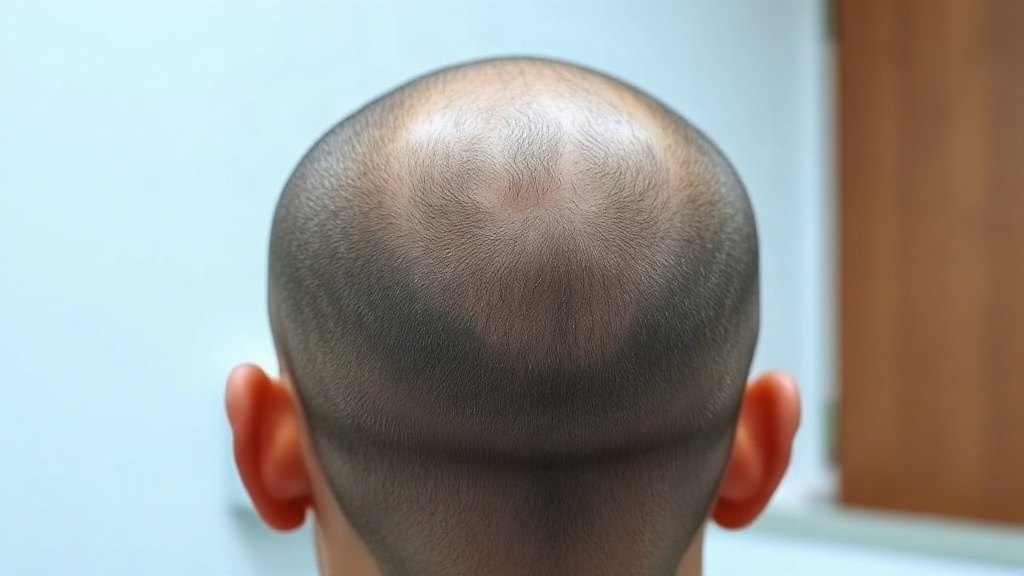
One of the most common questions I get from guys considering a hair transplant isn't about the hairline itself — it's about the back of the head. "What's going to happen to my donor area?" It's a fair concern, so let me break it down.
Where Do the Grafts Come From?
The donor area is the band of hair along the back and sides of your head. This hair is genetically resistant to DHT, which is why it's used for transplants — it keeps growing even after it's moved to the thinning areas. During an FUE procedure, individual follicles are extracted one by one. With FUT, a thin strip of skin is removed and the follicles are separated from it.
Will It Look Thinner?
Here's the honest truth: yes, there's some thinning, but it's usually not noticeable. A skilled surgeon spreads the extractions evenly across the donor zone so no one spot gets over-harvested. Most people can't tell anything was done, especially once the hair grows back to a normal length.
With FUT, you'll have a thin linear scar that's easily hidden by the surrounding hair. With FUE, you'll have tiny dot scars scattered across the area — virtually invisible at anything longer than a buzz cut.
Recovery and What to Expect
The donor area actually heals faster than the transplanted area. Most of the redness and scabbing clears up within 7 to 10 days. You might feel some tightness or mild soreness for the first few days, but it's manageable.
I'd recommend avoiding heavy exercise for about two weeks and sleeping on your side or with a travel pillow to keep pressure off the area. By the one-month mark, everything should feel completely normal.
Protecting Your Donor Supply
Your donor hair is a finite resource. That's why it's so important to work with a surgeon who plans for the long term — not just your current hair loss, but where things might be heading five or ten years from now. A conservative approach early on can mean better options later.
If you're starting to research your options and want to find a qualified surgeon near you, check out our hair transplant clinic directory to compare top-rated clinics and read real patient reviews.
Found this helpful?
Share this article or browse our directory to find a clinic.