
Microneedling for Hair Growth: Does It Actually Work?
Microneedling has become one of the most talked-about treatments for hair loss — here's what the research says and what I've learned from real experiences.
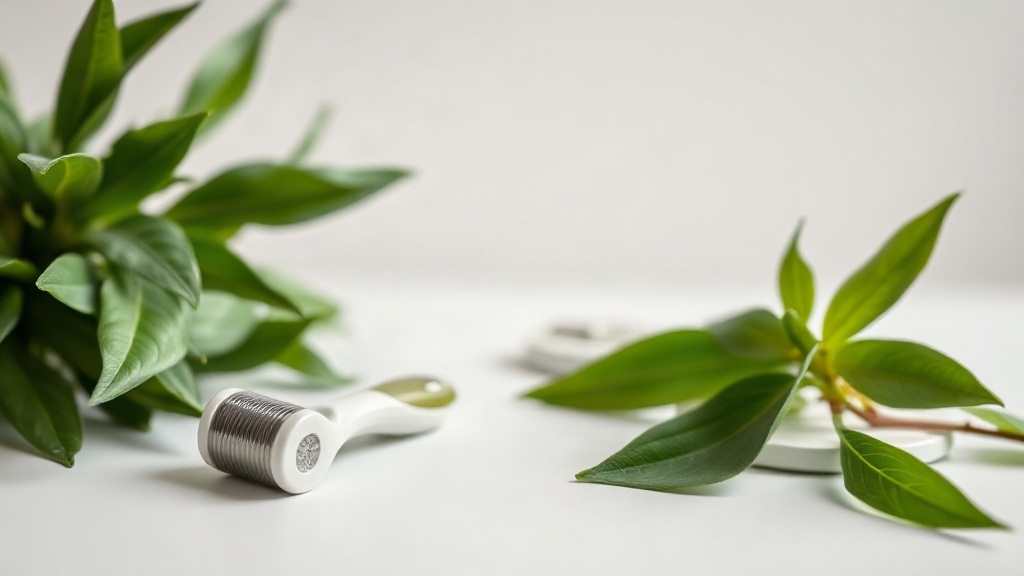
If you've been researching hair loss treatments, you've probably come across microneedling. It's everywhere right now — dermatologists recommending it, guys on forums swearing by it, and studies backing it up. So I dug into it to figure out if it's actually worth your time.
What Is Microneedling?
Microneedling uses tiny needles to create controlled micro-injuries in the scalp. It sounds counterintuitive — poking holes in your skin to grow hair — but the idea is that these micro-wounds trigger your body's natural healing response. That process increases blood flow, boosts collagen production, and activates growth factors in the scalp that can wake up dormant follicles.
The tool most people use at home is a derma roller, though professional treatments typically use a motorized derma pen for more consistent depth and precision.
What Does the Research Say?
This is where it gets interesting. A well-known 2013 study published in the International Journal of Trichology compared minoxidil alone versus minoxidil plus microneedling. The group that added microneedling saw significantly more hair regrowth. We're talking visible, measurable differences.
Since then, multiple studies have confirmed that microneedling — especially when combined with topical treatments like minoxidil — can improve hair density and thickness. The theory is that the micro-channels created by the needles help topical treatments penetrate deeper into the scalp where they can actually do their job.
How to Use It Safely
If you're going the at-home route, a few things matter. Needle depth is important — most experts recommend 0.5mm to 1.5mm for scalp use. Go too shallow and you won't trigger enough of a healing response. Go too deep without professional guidance and you risk scarring or infection.
Most people microneedle once a week, giving the scalp time to heal between sessions. And here's a tip I've picked up: don't apply minoxidil immediately after needling. Wait at least 12 to 24 hours. The open micro-channels can cause irritation or increase systemic absorption of the medication.
My Take
Microneedling isn't a silver bullet, but the evidence is hard to ignore. For guys who are already using minoxidil or considering it, adding microneedling could meaningfully boost results. It's affordable, relatively low-risk when done properly, and something you can do at home.
That said, if your hair loss is more advanced, microneedling alone probably won't be enough. It works best as part of a broader strategy — alongside medications, lifestyle changes, or even a hair transplant for more significant restoration.
If you're exploring your options and want to connect with experienced hair restoration professionals, check out the Better Hairline clinic directory to find a provider near you.
Found this helpful?
Share this article or browse our directory to find a clinic.