
Breakthrough in Baldness Treatment: Molecule Shows Promise for Hair Regrowth
A potential cure for baldness may be on the horizon, thanks to groundbreaking research from UCLA.
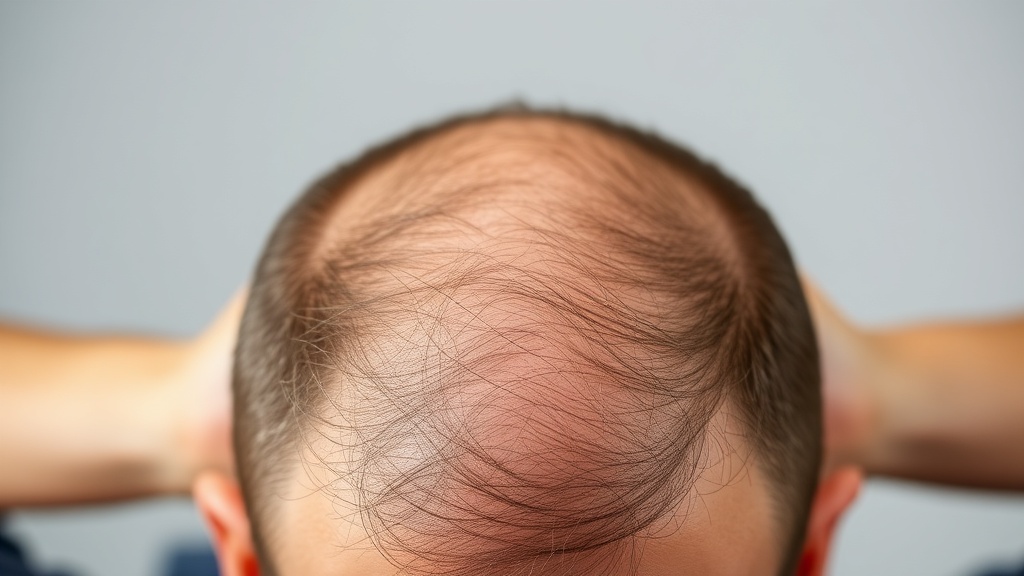
# A Potential Cure for Baldness: Groundbreaking Research from UCLA
Baldness and hair loss are common concerns affecting millions of people worldwide. Recent advancements in research provide a beacon of hope for those seeking effective treatments. The latest findings from UCLA suggest that a potential cure for baldness may be on the horizon. In this article, we will delve into this promising research and discuss its implications for hair restoration.
Understanding Hair Loss
Before exploring the research, it's crucial to understand the basics of hair loss:
- Types of Hair Loss: Includes androgenetic alopecia (pattern baldness), alopecia areata, and telogen effluvium.
- Causes: Can be genetic, hormonal, or result from medical conditions and lifestyle factors.
- Impact: Affects self-esteem and confidence, leading many to seek restoration options.
The UCLA Breakthrough
Research Overview
UCLA researchers have been focusing on the molecular mechanisms behind hair growth, hoping to uncover pathways that can be manipulated to promote hair regeneration.
- Focus: The study explores how certain naturally occurring chemical compounds affect hair follicle development.
- Objective: To reactivate dormant hair follicles and stimulate new growth.
Key Findings
The UCLA research team, led by Dr. William Lowry, has made significant discoveries that have changed the landscape of hair restoration science:
- Identification of Stem Cells: Researchers identified some specific stem cells that are pivotal in hair development.
- Molecular Pathways: They uncovered a key signaling pathway that, when activated, can regenerate hair follicles.
- Potential Treatment: Development of a topical treatment that could be applied directly to the scalp to activate these pathways.
The Implications for Hair Restoration
Advantages of the UCLA Research
- Non-Invasive: The suggested treatment is topical, offering a non-surgical solution for hair loss.
- Regeneration Focus: Unlike many existing treatments that slow loss, this approach aims to regenerate and restore.
- Broad Application: Potentially effective for various types of hair loss, including pattern baldness and alopecia areata.
Limitations and Considerations
- Clinical Trials: Human clinical trials are necessary to validate safety and efficacy.
- Timeline: Availability could still be years away, as research and development continue.
- Individual Differences: Results may vary based on genetics and the type or cause of hair loss.
Conclusion: A Bright Future Ahead
While it may be some time before these treatments become widely available, the research from UCLA holds promise for those struggling with hair loss. The potential to stimulate natural regrowth could revolutionize hair restoration treatments, providing relief and confidence to millions.
For those currently seeking solutions, staying informed about such advancements is crucial. Keep an eye on continued developments from UCLA and consult with hair restoration professionals to explore existing options tailored to your needs.
As science progresses, the dream of overcoming baldness moves closer to reality. Stay tuned to "Better Hairline" for the latest updates on hair restoration innovations.
Found this helpful?
Share this article or browse our directory to find a clinic.