
PRP Therapy for Hair Loss: Is It Worth It?
A look at platelet-rich plasma therapy — what it is, how it works, and whether it can genuinely help with hair restoration.
When I first started researching hair restoration options, I kept running into three letters: PRP. Platelet-rich plasma therapy sounded almost too good to be true — a treatment that uses your own blood to stimulate hair growth. So I dug deeper, and here's what I've learned.
What Is PRP Therapy?
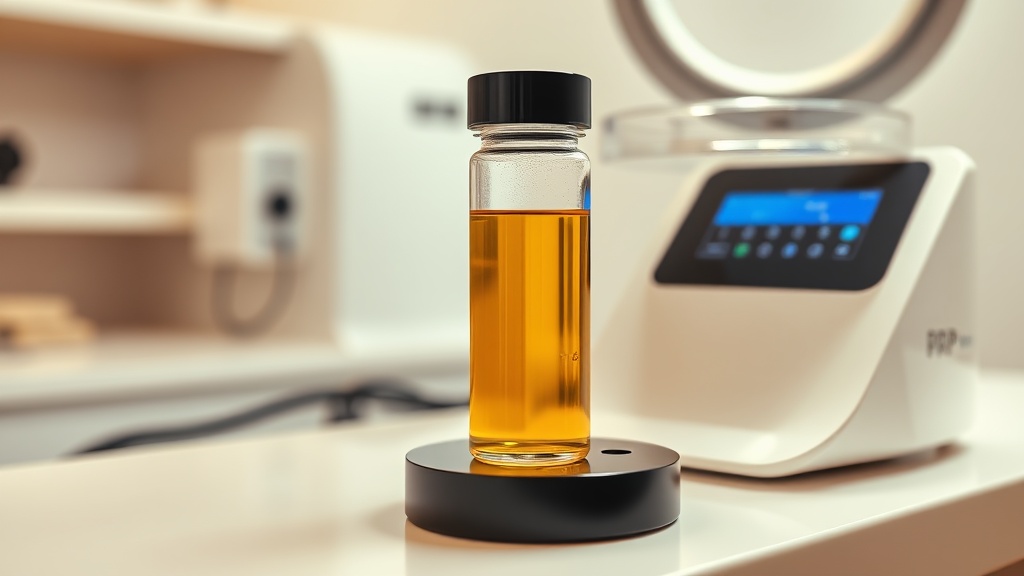
PRP stands for platelet-rich plasma. The process is surprisingly straightforward. A doctor draws a small amount of your blood, spins it in a centrifuge to separate the platelets from other blood components, and then injects that concentrated plasma directly into the areas of your scalp where hair is thinning.
Platelets contain growth factors — proteins that help your body heal and regenerate tissue. The idea is that by concentrating these growth factors and delivering them right to your hair follicles, you can wake up dormant follicles and encourage thicker, healthier growth.
What Does the Research Say?
I'll be upfront: the research on PRP for hair loss is promising but still evolving. Several clinical studies have shown that PRP can increase hair count and hair thickness in people with androgenetic alopecia (the most common type of hair loss in men). Most patients in these studies saw noticeable improvements after three to four monthly sessions.
That said, PRP isn't a miracle cure. It tends to work best for people in the early to moderate stages of hair loss, where follicles are miniaturized but not completely gone. If a follicle has been dormant for too long, PRP alone probably won't bring it back.
What to Expect During Treatment
The procedure itself takes about 30 to 60 minutes. The blood draw is quick, and while the scalp injections aren't exactly comfortable, most clinics use a numbing agent to minimize pain. There's virtually no downtime — I've heard from guys who went straight back to work afterward.
Most protocols recommend an initial series of three to four treatments spaced about a month apart, followed by maintenance sessions every three to six months. Each session typically costs between $500 and $1,500, and since PRP is considered cosmetic, insurance rarely covers it.
My Take
I think PRP is a solid option worth considering, especially if you're looking for something less invasive than a full transplant or want to complement a transplant you've already had. It pairs well with other treatments like minoxidil or finasteride, and the fact that it uses your own blood means the risk of adverse reactions is minimal.
If you're exploring your options, I'd recommend consulting with a qualified hair restoration specialist who can evaluate whether PRP makes sense for your specific situation. Check out our clinic directory to find a trusted provider near you.
Found this helpful?
Share this article or browse our directory to find a clinic.