
How Sleep Affects Hair Loss (And What You Can Do About It)
Poor sleep doesn't just leave you tired — it can actually accelerate hair loss. Here's what I've learned about the connection and how to fix it.
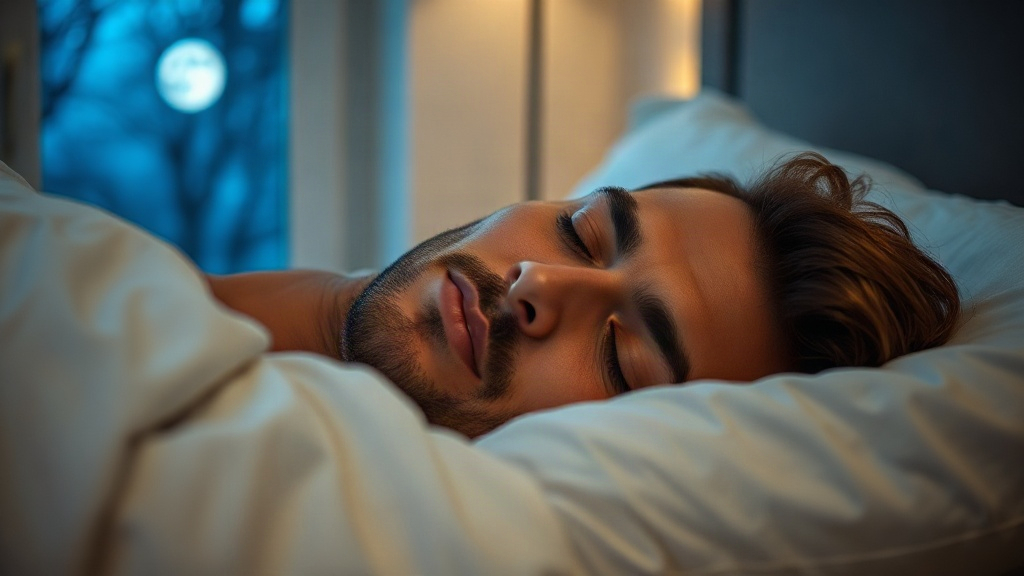
We talk a lot about treatments, medications, and procedures when it comes to hair loss. But one of the most underrated factors in hair health is something you do every single night — sleep.
I'll be honest: for a long time, I didn't think my sleep habits had anything to do with my hairline. I was focused on the big stuff — finasteride, minoxidil, whether I should book a transplant. But once I started digging into the research, I realized that poor sleep was probably working against everything else I was doing.
The Science Behind Sleep and Hair Growth
Your hair follicles depend on a cycle — growth (anagen), transition (catagen), and rest (telogen). That cycle is heavily influenced by hormones, and many of those hormones are regulated while you sleep.
Here's what happens when you consistently don't get enough rest:
Cortisol spikes. Sleep deprivation raises cortisol, your body's primary stress hormone. Elevated cortisol pushes more follicles into the telogen (resting) phase prematurely, which means more shedding and thinner coverage over time.
Growth hormone drops. Your body releases the majority of its human growth hormone (HGH) during deep sleep. HGH plays a direct role in cell reproduction and regeneration — including the cells in your hair follicles. Less deep sleep means less repair and slower growth.
Melatonin decreases. Melatonin isn't just a sleep hormone. Studies have shown it can actually stimulate hair growth at the follicular level. Disrupted sleep patterns reduce your natural melatonin production, removing one more support system for your hair.
What I Changed
Once I connected these dots, I made a few simple adjustments:
I started prioritizing seven to eight hours of sleep consistently, not just on weekends. I cut screen time an hour before bed, which helped me fall asleep faster. I also started keeping my bedroom cooler — around 65 to 68 degrees — which research suggests improves deep sleep quality.
I'm not going to tell you that better sleep alone reversed my hair loss. It didn't. But I do believe it made everything else I was doing more effective. My shedding decreased, and my overall hair quality improved within a few months.
The Bottom Line
If you're investing time and money into hair restoration — whether that's medication, PRP, or a transplant — don't neglect the basics. Sleep is when your body heals, regenerates, and maintains your hair follicles. Shortchanging it is like watering a garden with a leaky hose.
Start with your sleep. Get it dialed in. Then stack your other treatments on top of a solid foundation.
If you're exploring your options for hair restoration, check out our directory of top-rated clinics to find a provider near you.
Found this helpful?
Share this article or browse our directory to find a clinic.